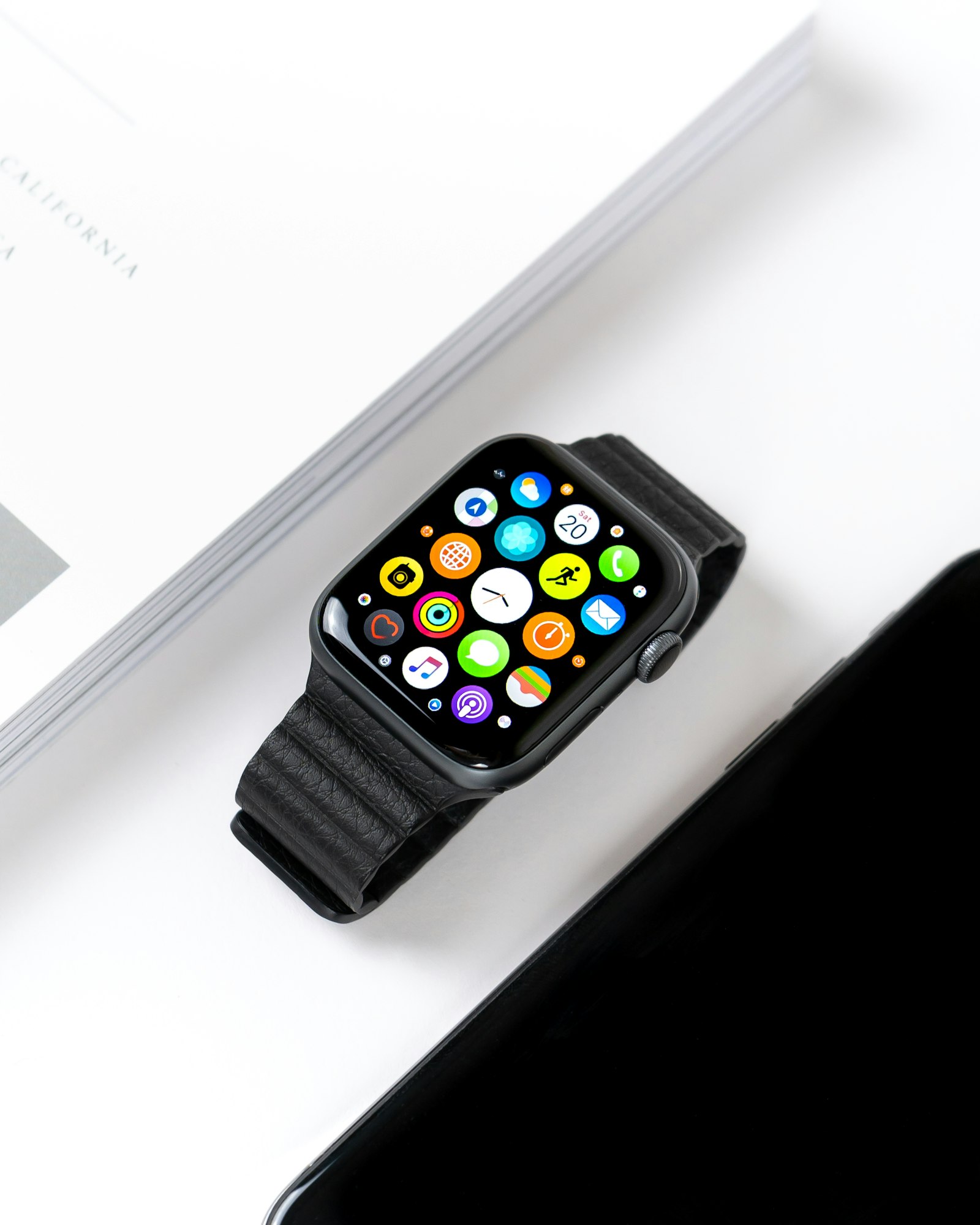

The best budget smartwatch is a wearable that covers the health sensors most people actually use, heart rate, sleep, blood oxygen and steps, for under $100, and for anyone starting a fitness or weight loss routine it handles roughly 80% of what a $400 Apple Watch or Garmin delivers.
The sub-$100 tracker market got serious over the last few years. Xiaomi, Amazfit, Samsung and Fitbit pushed the entry price down without gutting the sensors that matter.
This guide breaks down the strongest options in 2026, how to match one to your routine, what to expect and what not to expect at this price, and how to wire it all into your daily calorie plan.
What the best budget smartwatch actually gets you
A budget smartwatch is a wearable with essential health sensors (heart rate, sleep, blood oxygen, steps) priced between $30 and $100, accurate enough to build a tracking habit without paying premium money.
It will not replace a clinical device. It does feed consistent data into your training and nutrition decisions, which is what most people need on day one.
The real gap between a premium watch and a cheap one comes down to three things: an FDA cleared ECG, multi-band GPS, and body composition by bioimpedance.
For someone just starting out, none of those three change the daily routine. The optical heart rate sensor, the accelerometer and the sleep monitor on budget models land inside an acceptable margin for personal use, according to testing from Stanford Medicine, which found strong heart rate accuracy across consumer wearables.
Starting cheap has a double payoff. You find out whether you will actually wear it, since a large share of people abandon a smartwatch inside the first 90 days. You also learn which features matter to your routine before spending more.
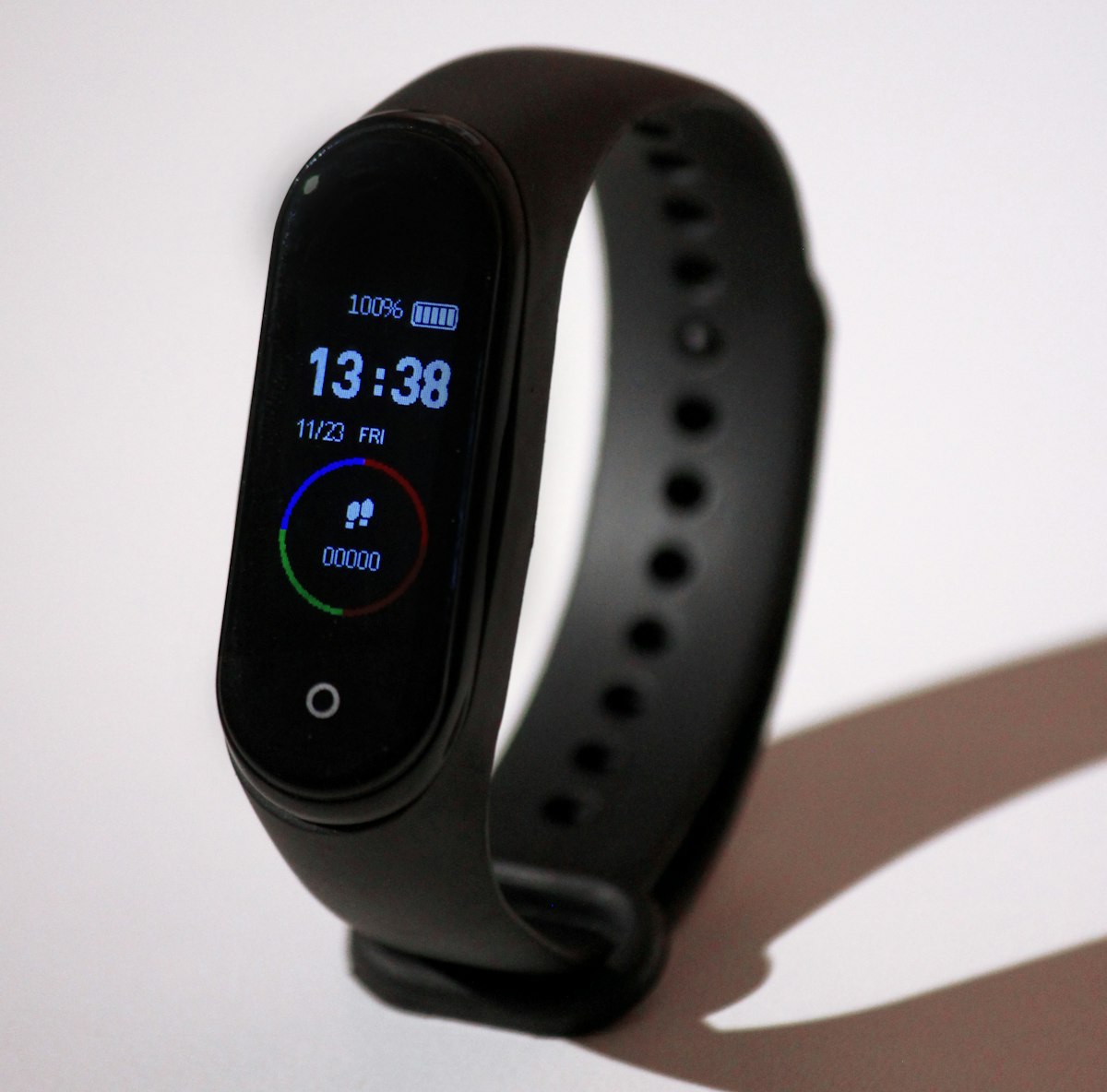
5 best budget smartwatches under $100 in 2026
The picks below favor devices with a solid durability record, clean sync with Google Fit and Apple Health, and second generation optical sensors. Prices are typical 2026 US street ranges.
| Model | Price range | Strengths | Best for |
|---|---|---|---|
| Xiaomi Smart Band 9 | $35 to $50 | 14-day battery, continuous heart rate, very light | Beginners on a budget |
| Amazfit Bip 5 | $60 to $90 | Built-in GPS, large screen, solid Zepp app | Running and walking |
| Samsung Galaxy Fit3 | $50 to $60 | AMOLED screen, blood oxygen, 13-day battery | Android office routine |
| Amazfit Band 7 | $40 to $50 | Alexa built in, deep sleep tracking, slim | Sleep focus |
| Fitbit Inspire 3 | $85 to $100 | Native Google Fit and ContaCal integration | Weight loss and diet |
If weight loss is the priority, the Fitbit Inspire 3 wins on nutrition app integration. If battery life is the priority, the Xiaomi Smart Band 9 takes it.
ContaCal
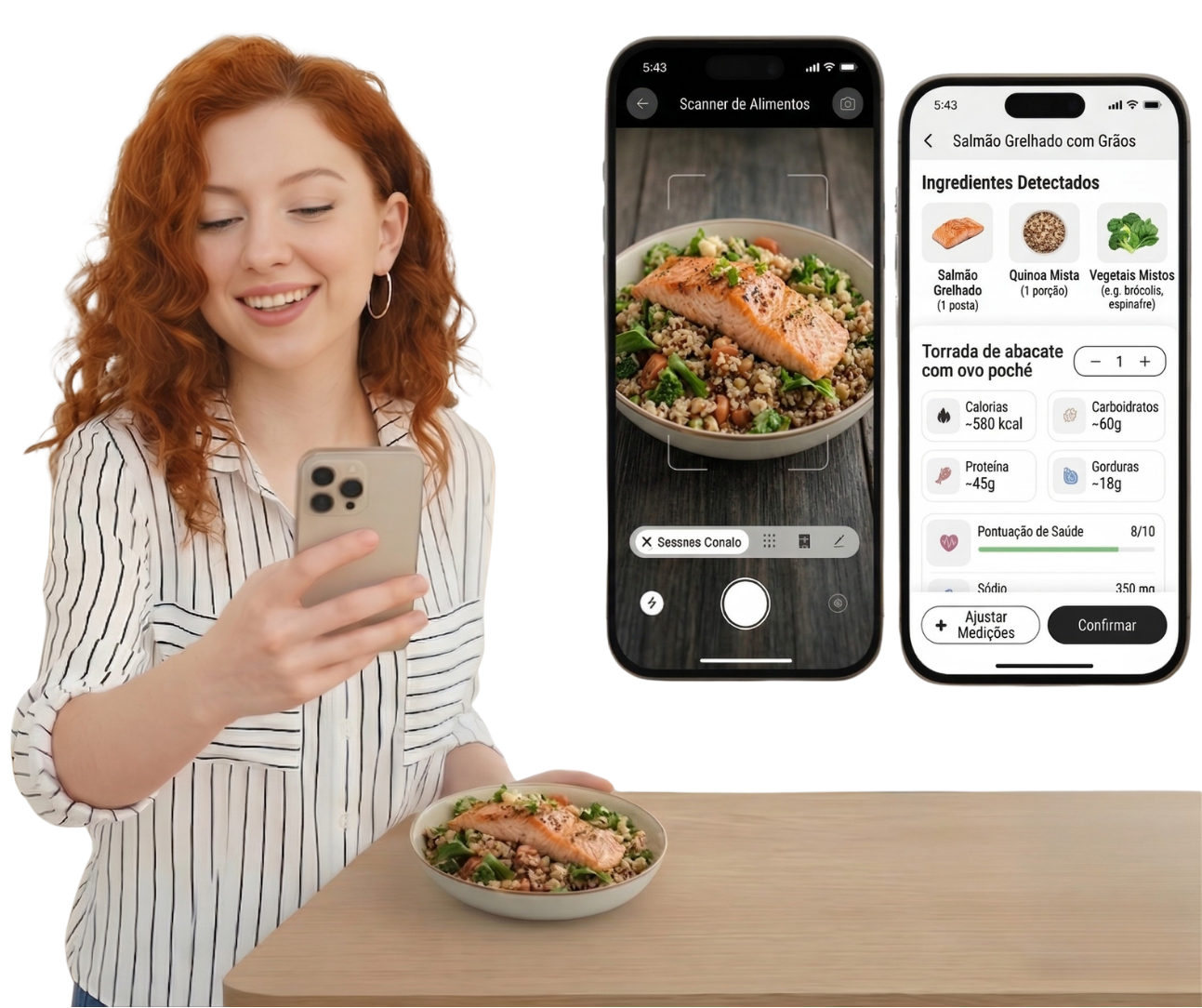
Count calories and macros with just 1 photo
Snap your meal and the AI instantly calculates calories, protein, carbs and fat.
How to pick the right one for your routine
The choice comes down to three variables: your phone operating system, your main goal, and how much you tolerate recharging. Run the checklist before you buy:
- iPhone: favor models with confirmed Apple Health sync, like the Fitbit Inspire 3 and the Amazfit Bip 5.
- Android: any model on the list plays well with Google Fit, though Xiaomi and Samsung want their own app installed first.
- Weight loss focus: pick one with native integration into calorie apps (Fitbit) or CSV export (Amazfit via Zepp).
- Sleep focus: the Amazfit Band 7 and Xiaomi Smart Band 9 run the best algorithms in this price tier.
- Running focus: the Amazfit Bip 5 with built-in GPS is the only pick here that logs a route without your phone along.
Worth flagging: most people who quit a smartwatch name charging friction as the main reason. Long battery life matters more in daily life than the spec sheet suggests.
Do budget smartwatches help with weight loss?
Yes, a budget smartwatch helps with weight loss when the data it generates (calorie burn, heart rate, sleep quality) feeds into a food tracking app. The device alone does not melt fat, but it closes the calories out versus calories in loop.
The most common mistake is trusting the calorie burn estimate at face value. That number carries a real margin of error, so use it as a weekly trend rather than a hard daily target.
Movement still drives the result. The World Health Organization recommends at least 150 minutes of moderate activity per week, and a cheap tracker is a reliable nudge to hit that number.
Pair a well-built calorie deficit from a dedicated app with weekly trend tracking from your wearable, and the two together tend to move the scale more consistently than either one alone. It also helps to know how many calories you should eat before you trust any burn estimate.
Reality check: a tracker that says you burned 600 calories on a walk is often off by 20% or more. Eating back every "burned" calorie is the fastest way to stall your progress.
What a cheap smartwatch cannot do
There are five honest limitations everyone entering this tier should know before buying:
- No cleared ECG: no model under $150 carries a medically validated ECG. For atrial fibrillation screening you need an Apple Watch or Galaxy Watch.
- Connected GPS, not standalone: the GPS leans on your phone. If the goal is running without a phone, the budget jumps to the Garmin tier.
- No bioimpedance: body fat percentage readings only show up on premium models like the Galaxy Watch or Apple Watch Ultra.
- Smaller display: screens run 1.1 to 1.5 inches, which limits third party apps and quick replies.
- Walled-garden apps: some models (Xiaomi, Huawei) make you use the brand app to pull data, adding friction when syncing to Google Fit.
In exchange, every pick here delivers continuous heart rate, blood oxygen, staged sleep, step counts, inactivity alerts and phone notifications. For most routines, that is plenty.
How to connect a budget smartwatch to ContaCal
ContaCal is a calorie tracking app that pulls data from any wearable compatible with Google Fit (Android) or Apple Health (iOS), cross-references real calorie burn against the food you log, and adjusts your daily target automatically. It works with Xiaomi, Amazfit, Fitbit, Samsung, Huawei, Garmin and Apple Watch without playing favorites.
The setup takes about three minutes. You turn on wearable sync with Google Fit or Apple Health on your phone, open ContaCal, allow access to health data in settings, and you are done.
From there, every walk, workout and night of sleep flows into the day automatically. The smarter move is to log meals by photo so the app estimates calories and protein for you, instead of typing every item.
People who combine a budget smartwatch with ContaCal at least five days a week, adding strength training and a moderate calorie deficit, tend to see steady results across the weeks. It pays to understand your daily calorie burn (TDEE) first, then layer the wearable on top.
See also: